2 April 2026 · Çetintaş Kahve Ekipmanları · 4 min min read
What Is a Pneumatic Coffee Transport System? How It Works and Why Plants Use It
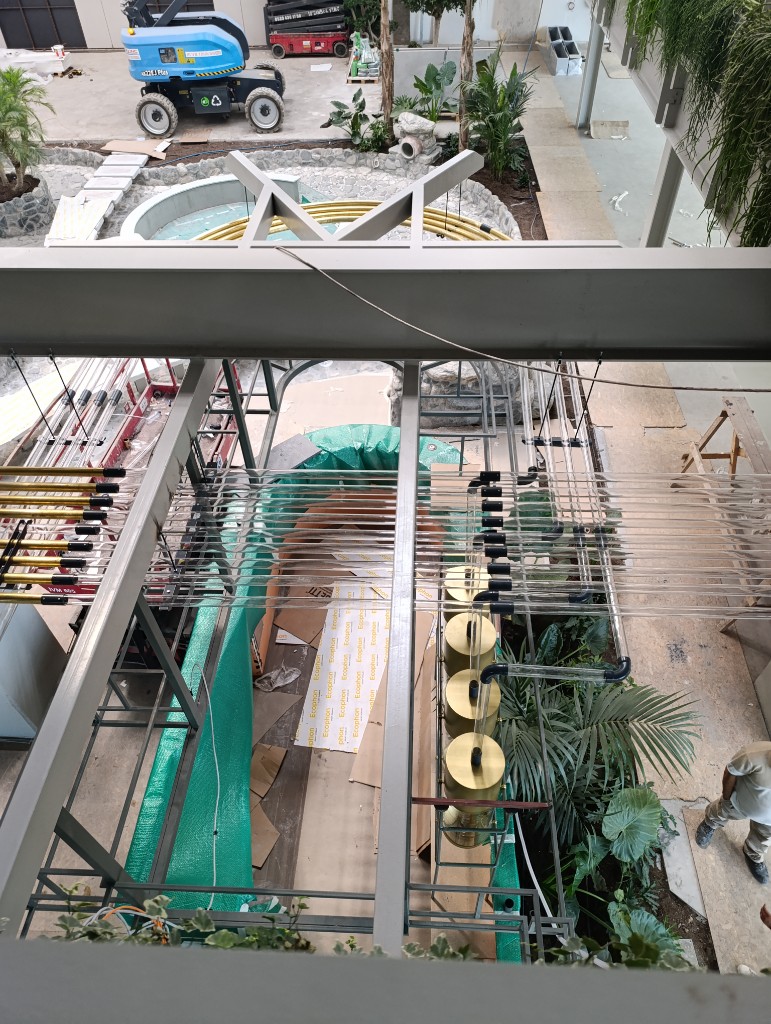
When a roastery or coffee production plant starts to grow, one of the clearest operational challenges is moving material inside the facility. Hauling tonnes of green or roasted beans in sacks or buckets creates labour loss, slower workflows, and hygiene risk.
That is where a pneumatic coffee transport system comes in. The technology moves beans through pipes with controlled airflow and has become a building block of modern production lines. In this guide we cover how pneumatic conveying works, how it compares with traditional methods, and how it can integrate into an existing plant.
What Is a Pneumatic Coffee Transport System?
Also known industrially as a pneumatic coffee conveying system, it transfers beans from one point to another — for example from storage to a roaster, or from a roaster to silos — through closed piping using air pressure or vacuum.
These systems are engineered for fast, continuous product flow without damaging bean form. They are used not only in large industrial plants but also in mid-scale roasteries that need efficient floor use and in modern cafés that want a distinctive design concept.
How Does Pneumatic Coffee Transport Work?
A bean conveying system typically includes an air generator (blower or vacuum pump), transport lines (pipes), and a receiving unit. The sequence is:
- Feed point: Green or roasted beans enter a hopper or feed unit at the start of the line.
- Transfer by airflow: Controlled airflow from the blower or vacuum motor pulls or pushes beans into the pipe. Air speed is finely set to avoid cracking or abrasion.
- Arrival at the receiver: When beans reach the target (coffee silos or a roaster hopper), air and product are separated. Beans drop safely into storage while carrier air exits the system.
Advantages Over Traditional Methods
Compared with manual labour, bucket elevators, or conveyor belts, a coffee transport system delivers multi-dimensional gains.
Labour and Operational Efficiency
Carrying heavy sacks up stairs or dumping product into tall roaster hoppers wastes time and energy. Pneumatic systems turn that work into a one-button process so operators can focus on roast profiles and quality control.
Maximum Hygiene Standards
Closed-loop pneumatic systems keep beans away from the outside environment. Dust, moisture, and foreign matter stay out. For plants that must meet food-safety certifications (ISO 22000, HACCP), a closed circuit is a critical requirement.
Layout Flexibility
Pipe runs can follow ceilings or wall edges, leaving floor space free for operations. Unlike bulky belts or elevators, the line can be shaped around the building’s architecture.
Visual Impact
For specialty cafés and roasteries that value transparent production, beans racing through clear pipes create a striking guest experience — a decorative signal of professionalism and technical infrastructure.
Between Roaster and Silo
One of a roastery’s most critical flows is moving cooled beans quickly and safely into rest or storage.
Beans leaving the roast can travel through pneumatic lines from coffee roasting machines into the right silos. On automated systems, the control panel selects which batch goes to which silo — preventing different origins from mixing.
Why Project-Specific Design Matters
An off-the-shelf package is not right for every plant. Working with a firm that can engineer the system prevents long-term operational issues. Design should weigh:
- Capacity and future targets: Daily tonnage drives pipe diameters and motor power.
- Pipe route: Elbow count, vertical lift, and horizontal length directly affect air-pressure needs.
- Bean form: Green beans are heavier and denser; roasted beans are lighter but more fragile. The system must be calibrated to the product being moved.
Frequently Asked Questions
Read Full Article
Integrating roaster, silos, and pneumatic line as one system — level sensors, flange match, and cross-contamination control.
Discover how to optimize material flow in modern coffee roasting plants with line automation, modular design, and pneumatic systems.
Food safety, oil build-up, and periodic maintenance on clear pneumatic coffee lines — a hygiene protocol for roasteries and cafés.