4 June 2026 · Çetintaş Kahve Ekipmanları · 1 min min read
How to Integrate Coffee Silos with Pneumatic Conveying Lines
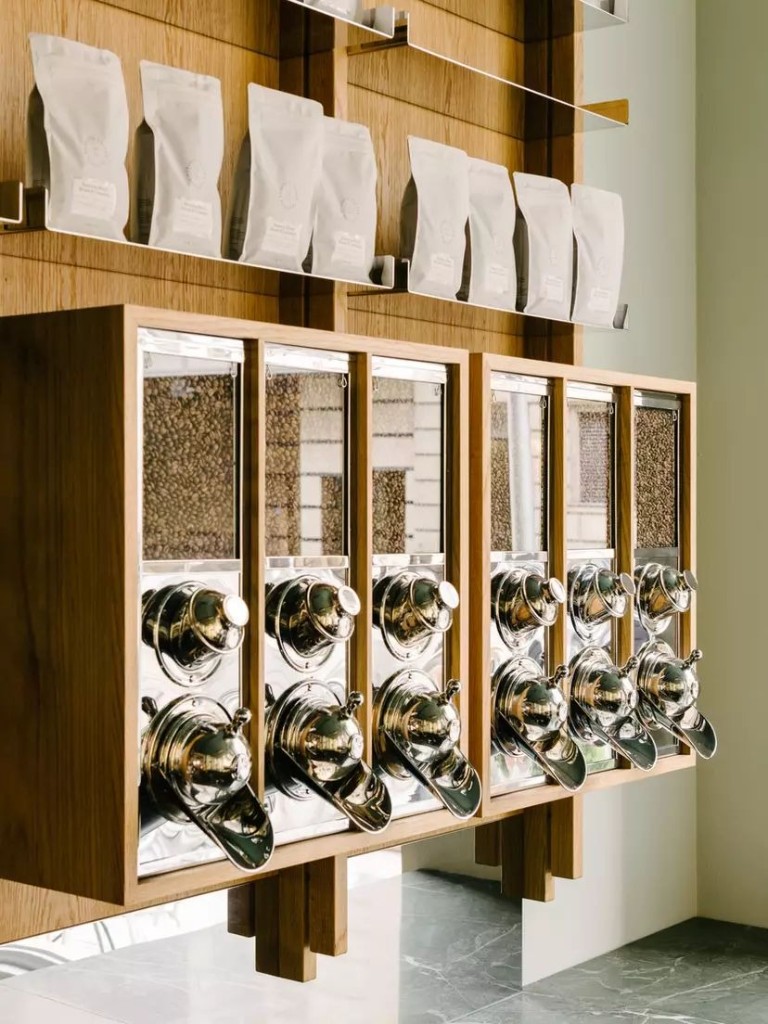
In an efficient coffee operation, coffee roasting machines, silos, and bar or packing stations are not separate islands. In a clean integration, fresh beans leave the roaster into the pneumatic line, fill the selected silo, and travel again in a closed line to the target point when needed.
This article covers how silo–pneumatic integration works, the critical engineering points, and why single-source design pays off operationally.
How an Integrated System Works
The pneumatic line is the silo’s top feed gate; silo valves are the outlet. Synchronization is managed with level sensors and divert units. The operator picks an origin on the panel; the system opens the correct route and stops or redirects safely when full.
Integration Points That Matter
- Automatic level sensors: When a silo hits full, the line must stop or divert to an empty silo. Pneumatic coffee transport divert units manage that from the touch panel.
- Matched flanges and pipe diameter: Mismatched silo necks create turbulence and jams. Line and silos should be engineered by the same manufacturer.
- Static and dust control: Grounding and dust management are required for transfer friction.
Value of Single-Source Engineering
Mixed suppliers create field fit issues and operational friction. Designing coffee silos and the pneumatic line in one engineering language guarantees flange, sensor, and valve sync — and lowers renovation cost.
Frequently Asked Questions
Read Full Article
Discover how to optimize material flow in modern coffee roasting plants with line automation, modular design, and pneumatic systems.
Food safety, oil build-up, and periodic maintenance on clear pneumatic coffee lines — a hygiene protocol for roasteries and cafés.
What are the storage standards for green and roasted coffee beans? Why coffee silos protect freshness and speed operations in commercial venues.