18 April 2026 · Çetintaş Kahve Ekipmanları · 4 min min read
Coffee Silo Selection Guide for Cafés and Roasteries
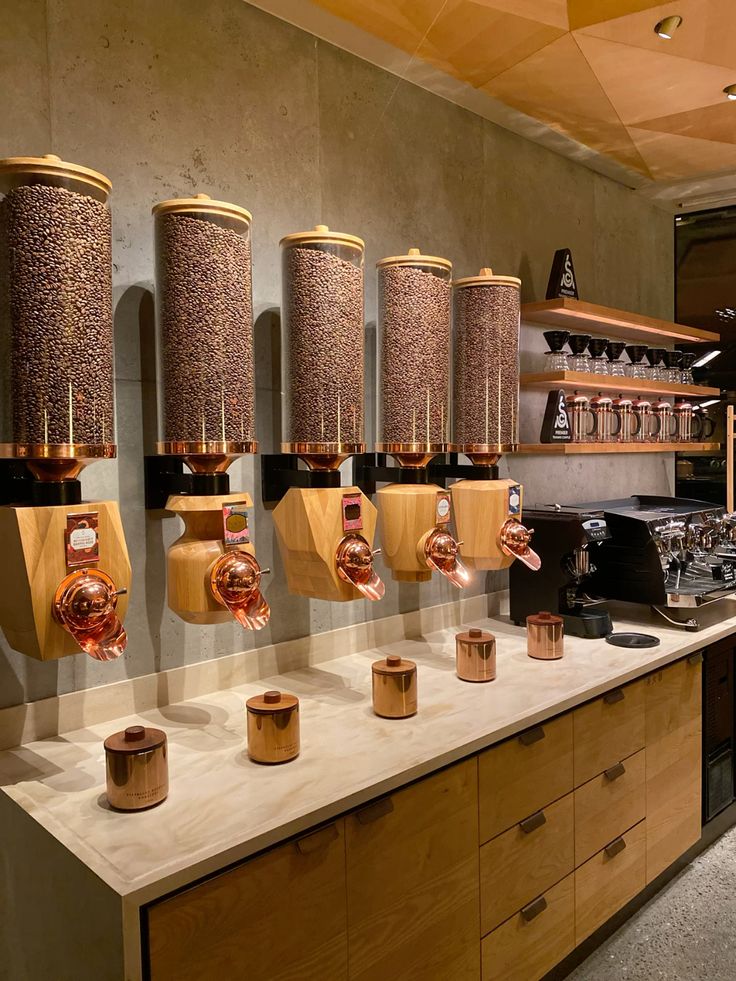
Keeping roasted beans at quality and managing them correctly in operations directly shapes the flavour in the cup. Whether you run a daily-service café or a high-tonnage industrial roastery, storing beans to standard is a critical requirement.
Coffee silo systems answer that need: they store freshly roasted beans shielded from ambient factors, keep the venue organized, and make it easy to feed production or service. This guide gathers the core criteria for choosing the coffee storage solution that fits your daily usage, physical layout, and production goals.
What Is a Coffee Silo and Why Use One?
A coffee bean silo is a professional storage and dispensing unit that supports freshness and can integrate with bulk or manual systems.
Exposure to air circulation, moisture, and direct light makes roasted beans lose quality quickly. Silos keep beans in a safe enclosed space and limit contact with external factors. They also make stock control easier — visually and physically — and raise operational speed.
Why Cafés Use Coffee Silos
In a specialty coffee shop or a busy café, time management matters. Opening and closing bean bags for every order slows the bar.
A café coffee silo lets beans move to the grinder or scale quickly and with portion control. Showing freshness and quality to guests is also a strong marketing tactic. Wall-mounted or behind-bar display silos become a decorative cue of professionalism.
Silo Selection for Roasteries
In roasting plants, silos are about capacity, automation, and production safety more than aesthetics. Different bean profiles (origin or blend) must be stored securely without mixing. Controlled resting (degassing) before packing is also a core purpose of roastery silos.
How Is Capacity Determined?
Daily consumption and production volume should drive capacity.
- For roasteries: Daily or weekly roast tonnage, packing-line speed, and stock turnover set silo size. Multiple side-by-side groups often beat one giant silo when you need to separate beans.
- For cafés: Grinder capacity and daily espresso or filter volume are the reference. Units around 3–10 kg are a solid starting point for cafés.
Silo Types and Modular Systems
Cylinder Coffee Silos
The most common industrial form. A cylinder coffee silo has no inner corners, maximizing bean flow and preventing jams — and making cleaning more practical.
Display Coffee Silos
Silos with food-grade transparent fronts (acrylic or glass) are ideal for guest-facing display. Protective coatings on the back can limit intense light exposure.
Modular Systems
Businesses grow. A roastery that starts with three silos may later need double the capacity. Modular systems let you add matching units beside the existing ones without friction.
Operational Details Before You Buy
Before purchasing a coffee storage silo, assess these physical conditions:
- Space: Ceiling height and wall length directly limit volume. In tight rooms, prefer vertical designs.
- Use frequency and valve quality: The bottom valve or gate may open hundreds of times a day — it must resist wear and run smoothly.
- Materials and hygiene: Stainless steel or other food-grade materials are non-negotiable for health and audit standards.
- Cleaning and maintenance: Roasted beans leave natural oils on surfaces. Easy interior access and dry cleaning of oil residue are essential.
Silos Integrated with Pneumatic Transport
In industrial roasteries, filling silos by hand wastes labour. Moving freshly roasted product from coffee roasting machines into silos without hand contact is a critical automation step.
Compatibility with pneumatic coffee transport is a major advantage for growth plans. Pneumatic lines feed beans through the top lid of the target silo — faster cycles and near-zero product loss.
Explore options on our coffee silos page.
Frequently Asked Questions
Read Full Article
Integrating roaster, silos, and pneumatic line as one system — level sensors, flange match, and cross-contamination control.
Discover how to optimize material flow in modern coffee roasting plants with line automation, modular design, and pneumatic systems.
Food safety, oil build-up, and periodic maintenance on clear pneumatic coffee lines — a hygiene protocol for roasteries and cafés.