18 May 2026 · Çetintaş Kahve Ekipmanları · 4 min min read
How Should Coffee Beans Be Stored? Why Silos Matter for Operations
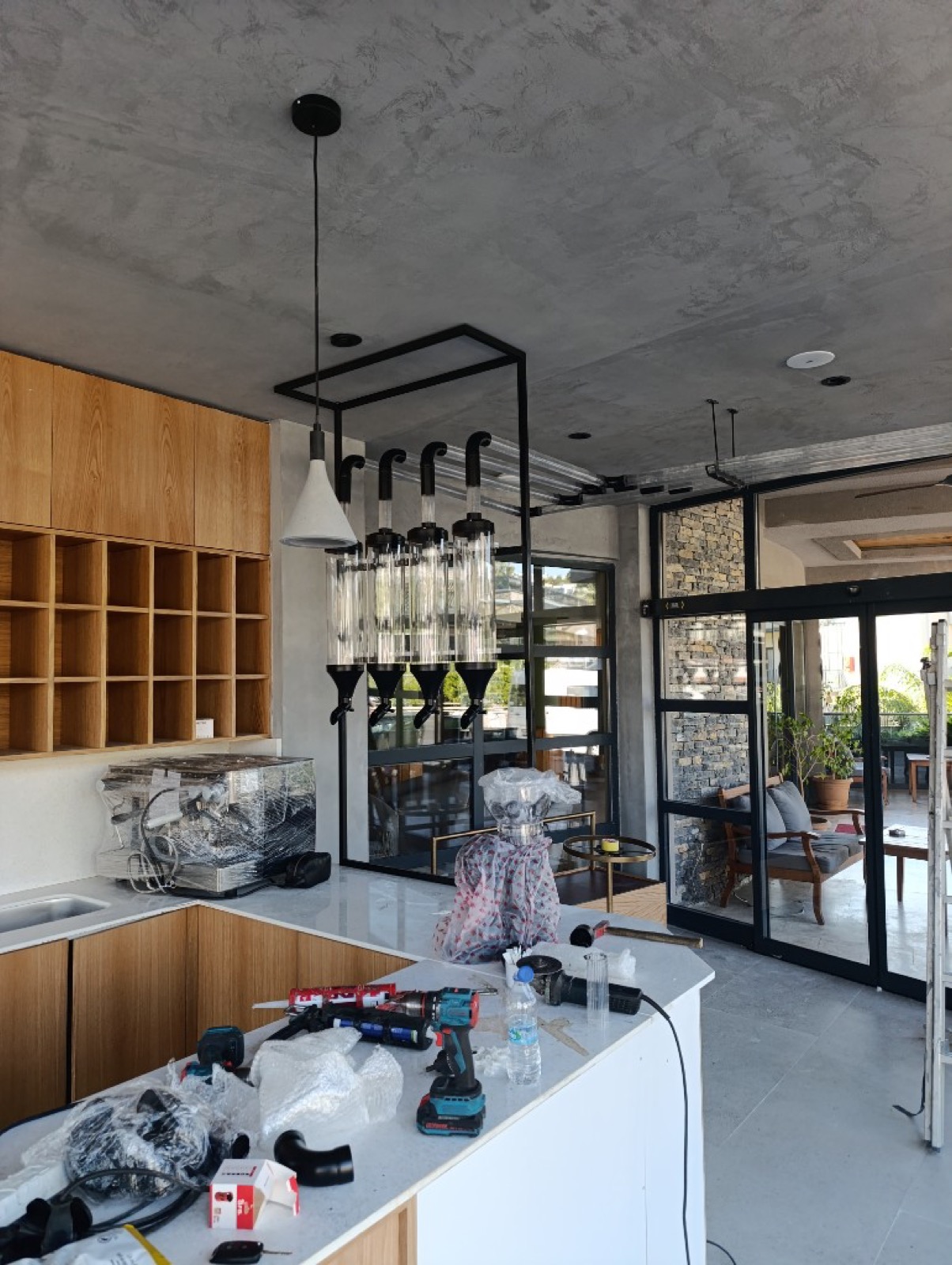
The engineering behind a quality cup starts at harvest and peaks at roast — but the most overlooked step that still decides final quality is storage. Whether you run an industrial plant processing tonnes or a specialty roastery, unmanaged ambient conditions can turn even the most expensive beans into waste in a short time.
This article covers the physical conditions commercial operators must manage, the storage differences between green and roasted coffee, and the concrete workflow gains coffee silos deliver on the production floor.
Critical Environmental Conditions for Bean Storage
Coffee is a highly sensitive, hygroscopic agricultural product. Storage conditions directly affect shelf life and cup profile. Successful stock management rests on controlling three factors:
- Moisture: High ambient humidity makes beans swell and invites mould. Overly dry rooms strip natural bean moisture (typically targeted at 10–12%) and hurt desired heat transfer during roasting.
- Heat: Excessive temperatures accelerate structural ageing. Storage rooms need climate control and stable room temperatures. Heat swings cause surface sweating and spoil quality.
- Light: Especially for roasted coffee, direct sun or strong artificial UV damages cell structure and oxidizes natural oils (staling).
Green vs Roasted Storage
Do not treat green and roasted coffee as the same status in plant planning. Physical durability and storage needs differ completely.
Green coffee storage: Green beans are far more resilient and can hold quality for many months under the right conditions. They are usually kept in breathable jute sacks on pallets that keep contact off the floor. Ventilation and humidity control are enough.
Roasted coffee storage: Once heated, beans expand, lose density, and become fully exposed to the environment. After degassing begins, coffee reacts quickly with oxygen and starts to stale. Leaving roasted coffee open — in sacks or open buckets — is unacceptable. At this stage you need closed systems that limit contact with the outside world: coffee silos.
Stock Management and the Role of Silos
In growing businesses, stock management is not just filling a room — it is running FIFO without error. Tonnes stacked in plastic buckets or messy shelves lead to wrong-batch packing and invisible turnover.
Coffee silos are professional storage units that remove that chaos. Built in different capacities, they keep roasted beans in a clear order. Transparent indicators make material flow visually trackable in real time.
Display Silos: Decorative and Operational
In cafés and roasteries that meet the end consumer, silos are also a strong visual cue. Acrylic or glass-front display silos show hygiene standards and bean quality to guests. Portioning directly from the bottom valve is one of the biggest speed gains for baristas and production staff.
Cleanliness, Order, and Minimum Loss
Floor space is precious in industrial kitchens and plants. Coffee silos use vertical space toward the ceiling and free the floor. Inner geometry is designed for smooth flow — fewer cracked beans, less spillage. Easy-clean surfaces reduce the risk of oils from old batches contaminating new product.
Integration with the Line and Automation
In B2B plants, silos are not standalone warehouses — they are stations in the automation system. In modern layouts, coffee roasting machines send finished product without hand handling through pneumatic coffee transport into target silos.
That integration minimizes air exposure, cuts labour cost, and creates a sustainable standard at high tonnage. Building storage with pneumatic-ready silos is the strongest foundation for future automation steps.
Frequently Asked Questions
Read Full Article
Integrating roaster, silos, and pneumatic line as one system — level sensors, flange match, and cross-contamination control.
Discover how to optimize material flow in modern coffee roasting plants with line automation, modular design, and pneumatic systems.
Food safety, oil build-up, and periodic maintenance on clear pneumatic coffee lines — a hygiene protocol for roasteries and cafés.