10 May 2026 · Çetintaş Kahve Ekipmanları · 4 min min read
How to Set Up a Coffee Roasting Plant (Roastery): Complete Project Guide
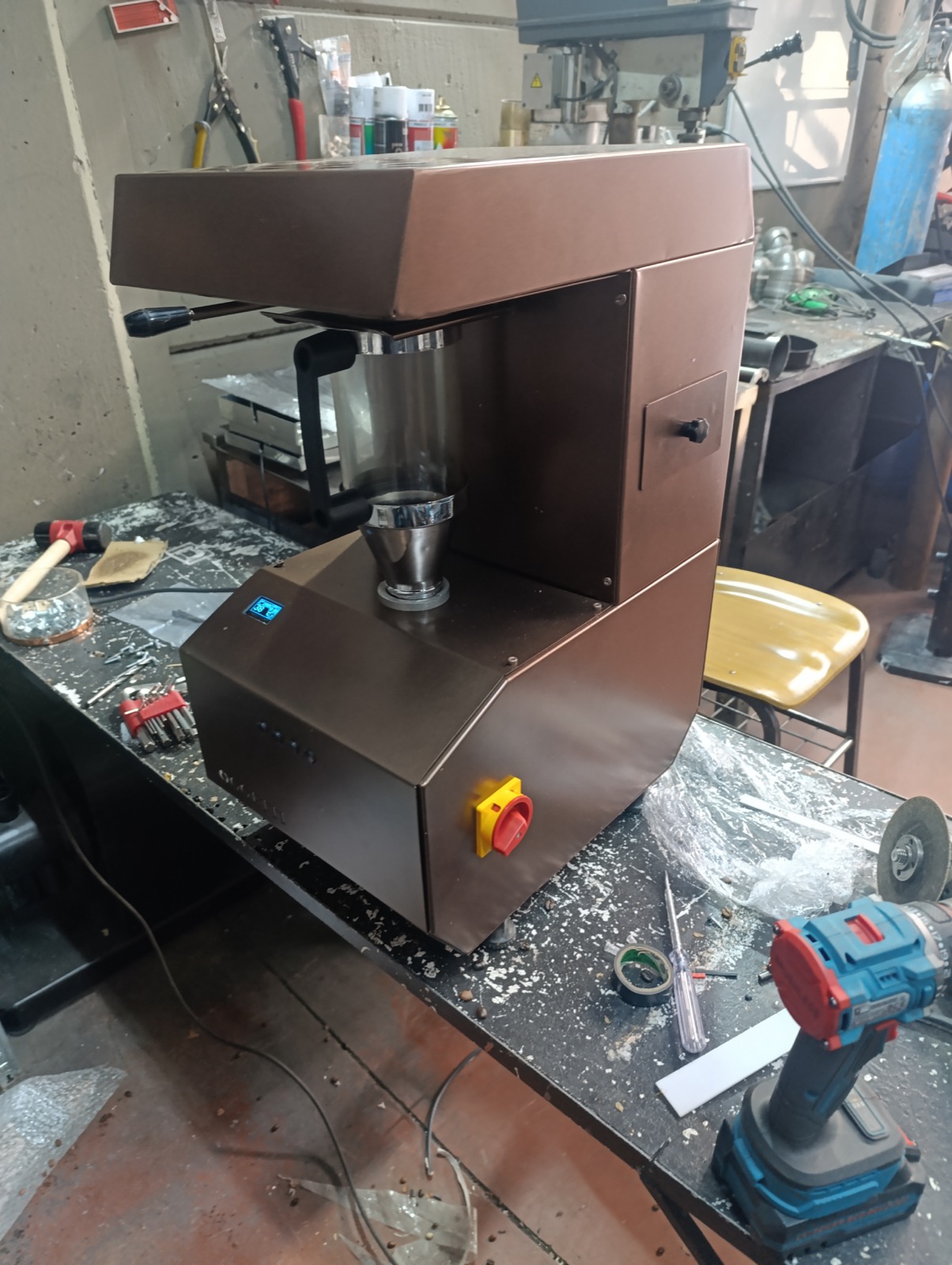
If you want to build a brand in coffee — or move to industrial standards to meet rising demand — “how do you set up a coffee roasting plant?” becomes the foundation of your operation. Designing a roastery from scratch is a far more complex engineering process than buying a machine and starting production.
Material flow must be planned end to end: storing tonnes of green beans, roasting, resting cooled product, and packing. How well every piece of equipment works together shapes both final quality and plant profitability. This guide walks through how to structure a professional production facility — from site selection to fully automated system integration.
1. Production Targets and Site Selection
Every industrial project starts with a data-driven target. Do not choose equipment until daily, weekly, and monthly tonnage goals are clear. Those capacity targets also define the physical requirements of the plant.
When selecting a site, weigh:
- Ceiling height: Prefer high ceilings (ideally at least 4–5 m) so industrial silos and pipe conveying can be placed comfortably.
- Floor load capacity: The structure must carry the static load of tonnes of green coffee and heavy industrial equipment.
- Logistics access: Plan wide doors with loading/unloading ramps for incoming green-bean sacks and outbound palletized product.
2. The Production Hub: Choosing the Coffee Roaster
The heart of plant capacity is the roasting machine. Select batch capacity that can meet tonnage targets within safe operating hours. A plant aiming for 500 kg per day should choose coffee roasting machines that can deliver that volume comfortably. Prioritize energy type (natural gas/LPG), digital profile control precision, and mechanical durability.
3. Green and Roasted Product Management: Storage and Silos
Where and how raw and finished product sit is critical to quality.
Green Coffee Storage
Green beans arriving in jute sacks must be protected from moisture and direct sunlight. Keep green storage at roughly 18–22°C and 50–60% relative humidity, and use pallets so sacks never sit on the floor.
Roasted Coffee Storage and Silos
After roasting and rapid cooling, beans enter degassing. Leaving them open to air invites oxidation and staling. Stainless coffee silos provide safe resting and orderly staging before packing. Multi-silo systems keep different origins from mixing inside the plant.
4. Automating Flow: Pneumatic Coffee Transport
As capacity grows, moving beans in sacks or wheeled buckets becomes impossible. Manual handling creates accident risk, slows production, and adds dirt.
In a modern roastery project, pneumatic coffee transport forms the plant’s nervous system. Pneumatic lines feed green coffee into the roaster hopper and move roasted coffee in a closed circuit to the right silo. That automation cuts labour cost and delivers maximum hygiene with zero hand contact.
5. Technical Infrastructure: Ventilation and Safety
A roastery is more than machines — exhaust infrastructure directly affects continuity. Dense smoke and particles from roasting must leave through a correct flue. Where required for environmental compliance, integrate afterburner systems.
Workplace safety: Roasting involves high heat. Chaff build-up in cyclones can create fire risk, so fire-suppression infrastructure and regular flue-cleaning procedures must be complete.
6. Final Stage: Packing Area
Coffee that has rested in silos should enter final packaging as quickly and with as little contact as possible. Place packing closest to silo outlets. Precision scales or automatic fillers under silo valves close the “production–storage–packing” triangle.
7. Future Capacity Growth and Integrated Project Management
The most common planning mistake is locking into tight space based only on today’s demand. Leave physical room for a second roaster or extra silos later.
Equipment that speaks the same engineering language is a critical advantage. The roasters, coffee silos, and pneumatic transport systems developed by Çetintaş Coffee Equipment are built as modular pieces of one project. Instead of bottlenecks from mismatched bolt-ons, a Çetintaş-based plant processes beans in a fluid, integrated automation loop from machine entry to packing.
Frequently Asked Questions
Read Full Article
Integrating roaster, silos, and pneumatic line as one system — level sensors, flange match, and cross-contamination control.
Discover how to optimize material flow in modern coffee roasting plants with line automation, modular design, and pneumatic systems.
Food safety, oil build-up, and periodic maintenance on clear pneumatic coffee lines — a hygiene protocol for roasteries and cafés.