25 April 2026 · Çetintaş Kahve Ekipmanları · 4 min min read
How to Choose Coffee Silo Capacity: A Practical Planning Guide
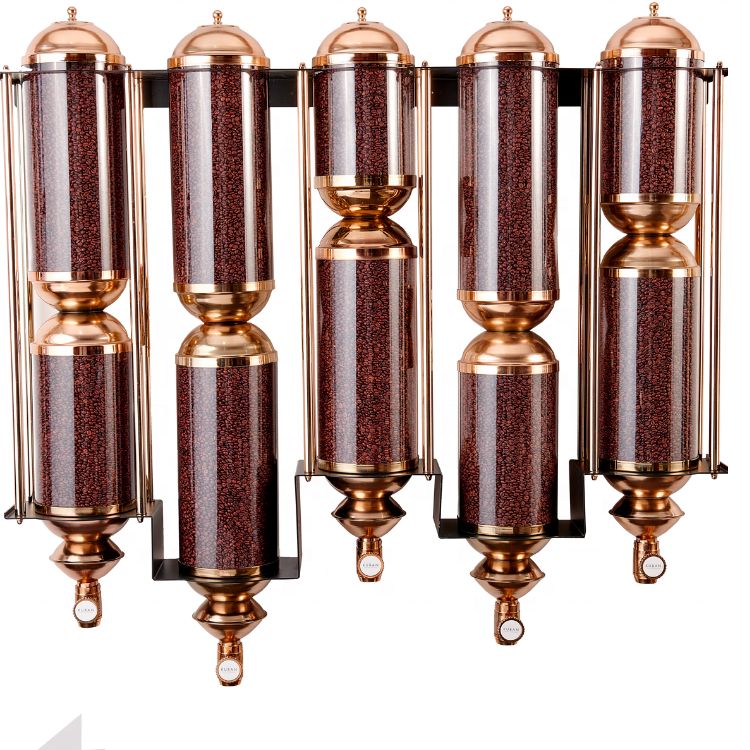
One of the most important decisions for operational efficiency in coffee production and service is sizing storage correctly. “How do you choose coffee silo capacity?” covers everything from daily workflow to future growth. An undersized system slows operations and forces constant refills; oversized capacity strains the budget and shrinks usable floor space.
Our goal is to help you find the most rational storage solution for today’s needs and your long-term growth plan. This guide walks through capacity planning step by step — from small cafés to industrial roasteries.
Core Criteria for Capacity
Sizing a coffee silo is more than simple math. Analyse these criteria by business type:
Daily Coffee Use and Roast Capacity
The point of a silo investment is uninterrupted daily operations. Cafés should use daily espresso and filter volume; roasteries should use daily roast tonnage. A venue that uses 10 kg a day with a single 50 kg silo leaves beans sitting too long and slows stock turnover.
Bean Variety
How many origins or blends you run is critical. With five coffee profiles, split total capacity across five modular silos instead of one large vessel.
Stock Turnover and Degassing
After roasting, beans release carbon dioxide (degassing). Roasteries use silos to rest beans before packing. Roastery silo capacity should therefore hold at least 2–3 days of production safely.
Physical Space Limits
Ceiling height, wall width, and column positions directly limit maximum silo size. In tight rooms, prefer slender, taller cylinders over wide diameters.
One Large Silo or a Multi-Silo System?
Operators often choose between a few large silos and many smaller ones.
As a rule: high-volume industrial lines with one main product (for example a house espresso blend) benefit from large single silos. Specialty roasteries or venues serving multiple origins almost always work better with multi modular systems. Modular setups keep batches separate and eliminate cross-contamination.
Example Scenarios by Business Type
Small Café
- Profile: 3–5 kg daily use, one espresso blend, 1–2 filter coffees.
- Ideal choice: Behind-bar or wall-mount display silos of about 3–5 kg each in a set of three. That covers daily use and keeps coffee turning over fresh.
Specialty Coffee Shop
- Profile: 10–15 kg daily use, 5–6 specialty origins.
- Ideal choice: Multiple cylinder silos in the 3–5 kg range so origins can be displayed. Avoid oversized capacity — keep circulation fast.
Mid-Scale Roastery
- Profile: Coffee roasting machines roasting about 100–300 kg per day, packing and wholesale.
- Ideal choice: Size silos to the roaster’s batch volume. With a 30 kg roaster, plan at least 30 kg or multiples (30 kg, 60 kg). Keep the system modular so you can add units as demand grows.
Coffee Production Plant
- Profile: Continuous production, high tonnage, fully automated line.
- Ideal choice: High-capacity industrial steel silos are required. Manual fill is impractical — silos must integrate with pneumatic coffee transport. Large silos backed by pneumatic lines become the hub of material flow.
Browse options on our coffee silos page.
Planning for Future Capacity Growth
The biggest planning mistake is designing only for today. Roasteries especially hit storage bottlenecks as sales grow. Build modular-ready infrastructure from the start and leave physical room for later additions — that prevents expensive renovations later.
Frequently Asked Questions
Read Full Article
Integrating roaster, silos, and pneumatic line as one system — level sensors, flange match, and cross-contamination control.
Discover how to optimize material flow in modern coffee roasting plants with line automation, modular design, and pneumatic systems.
Food safety, oil build-up, and periodic maintenance on clear pneumatic coffee lines — a hygiene protocol for roasteries and cafés.