21 May 2026 · Çetintaş Kahve Ekipmanları · 2 min min read
Hygiene Standards and Periodic Cleaning Guide for Clear Coffee Pipes
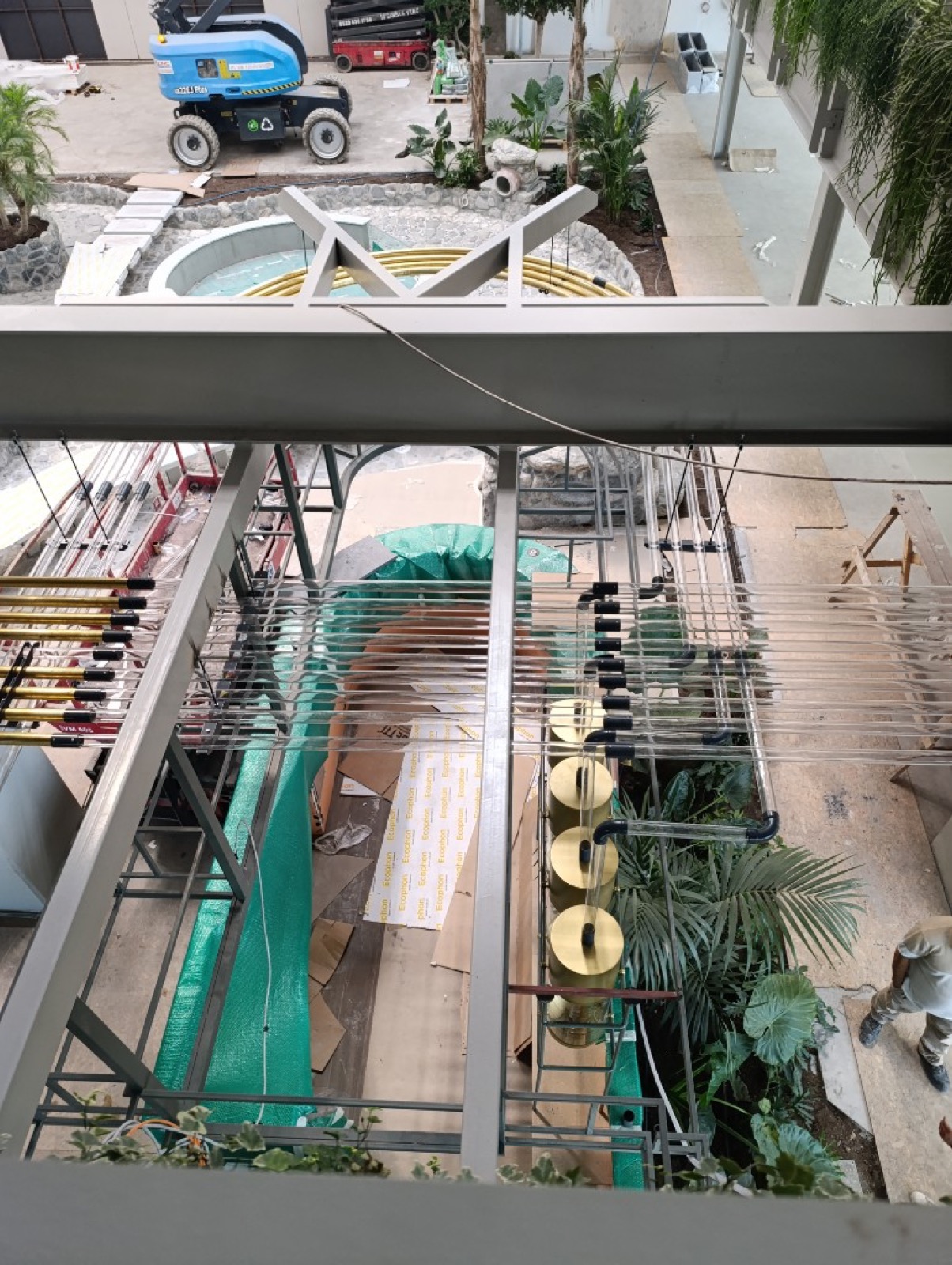
In café, showroom, and roastery projects, clear acrylic pipes are not only a visual choice — they are an engineering decision that makes food safety and maintenance visible. Residue and oil film hidden inside opaque metal lines become detectable from outside in seconds on clear systems.
This guide covers the maintenance advantage of clear pneumatic lines, periodic cleaning steps, and how to keep hygiene standards on pneumatic coffee transport infrastructure.
Why Clear Lines Help Maintenance
Clear pipes add aesthetic value and let operators continuously monitor the line. Bean flow, potential blockages, residue, or oil film are spotted visually — so you intervene on schedule instead of waiting for a failure.
Versus metal runs, that visibility also eases audits in ISO 22000 / HACCP-oriented plants: hygiene evidence can be shown visually.
Periodic Cleaning Steps
- Daily visual check: Inspect outlets, elbows, and silo junctions for build-up.
- Weekly seals and filters: Clean seals and air filters; tighten loose fittings.
- Monthly / seasonal line hygiene: Run food-safe, odourless sponges or solutions through the pneumatic line to clear oil film.
Use only certified chemicals that will not damage pipe material. Contact sales and service for detailed protocols.
Impact on the Production Line
A dirty line is not just visual — it risks aroma contamination, lower throughput, and blockages. A clean, well-designed pipe network integrated with coffee silos and roast discharge protects product quality and operational continuity.
Frequently Asked Questions
Read Full Article
Integrating roaster, silos, and pneumatic line as one system — level sensors, flange match, and cross-contamination control.
Discover how to optimize material flow in modern coffee roasting plants with line automation, modular design, and pneumatic systems.
What are the storage standards for green and roasted coffee beans? Why coffee silos protect freshness and speed operations in commercial venues.